
Vietnamese Pho Soup
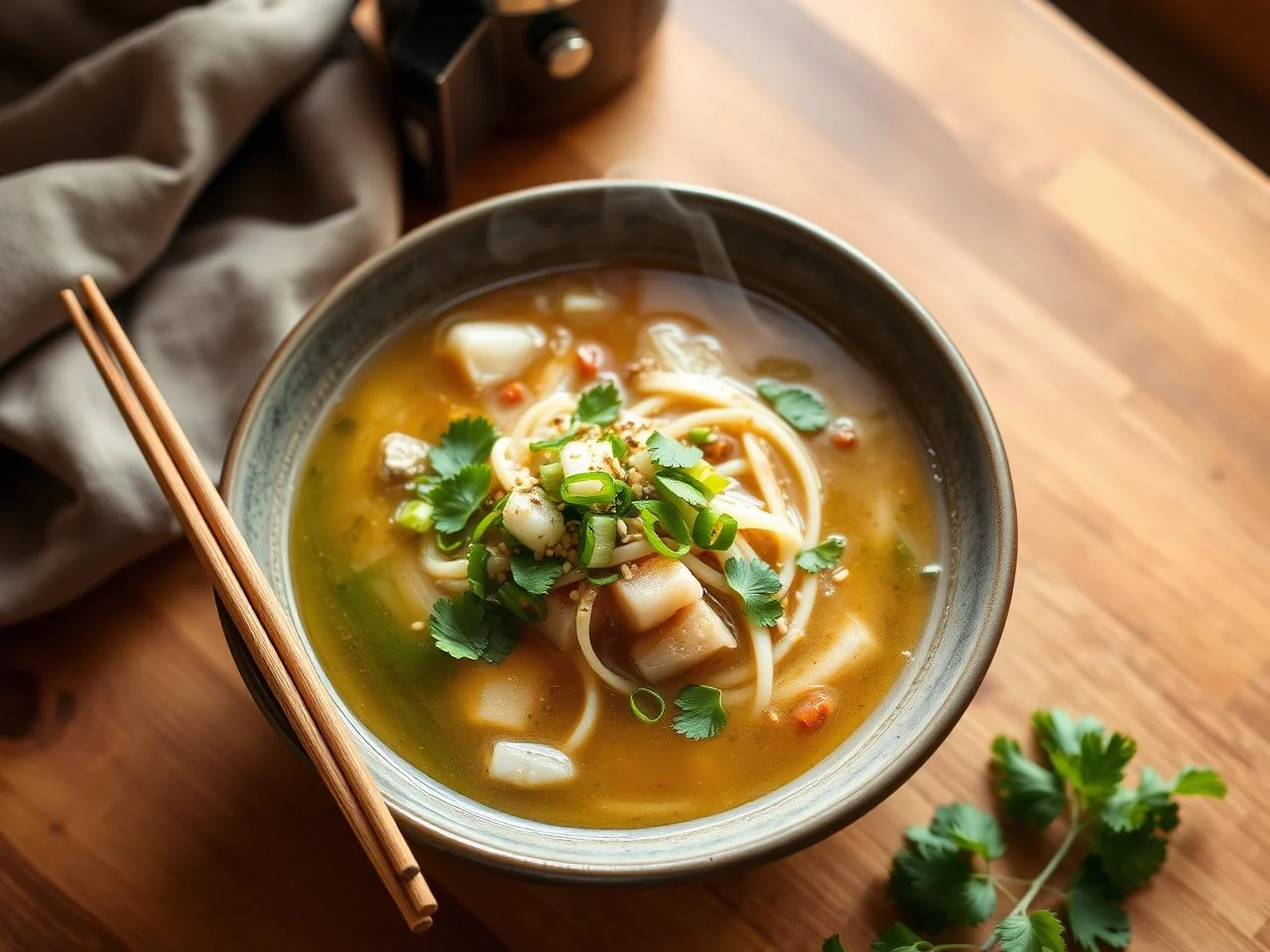
Vietnamese Pho Soup is a staple dish in my household, and I'm thrilled to share my recipe with you. Growing up, my family would often gather around the table to enjoy a steaming hot bowl of Pho, filled with tender beef, soft noodles, and fragrant aromatics. The combination of flavors and textures is truly magical, and I've perfected my recipe over the years to bring you an authentic and delicious experience.
Pho is more than just a soup; it's a cultural phenomenon in Vietnam, where it's often served as a comfort food. The rich broth, made with beef bones, onions, ginger, and spices, is the foundation of the dish. The addition of tender beef, soft rice noodles, and fresh herbs creates a harmonious balance of flavors and textures that will leave you craving for more.
In this recipe, I'll guide you through the process of making a authentic Vietnamese Pho Soup from scratch. We'll start with the basics, from preparing the broth to cooking the noodles and beef. I'll also share some tips and tricks to help you achieve the perfect balance of flavors and textures.
Whether you're a seasoned cook or a beginner, this recipe is designed to be approachable and easy to follow. So, let's get started and create a delicious and authentic Vietnamese Pho Soup that will become a staple in your household.
One of the things I love about Pho is its versatility. You can customize it to your taste by adding your favorite toppings, such as bean sprouts, lime wedges, and chili sauce. You can also experiment with different types of beef, such as rare steak or brisket, to change up the flavor and texture.
Why You’ll Love This Recipe
- This recipe is easy to follow and requires minimal ingredients.
- The dish is perfect for a comforting meal, and it's also great for special occasions.
- You can customize the recipe to your taste by adding your favorite toppings.
- The broth is rich and flavorful, making it a great base for other soups and dishes.
- The recipe is budget-friendly and can be made with affordable ingredients.
- It's a great way to experience the authentic flavors of Vietnam in the comfort of your own home.
Why This Recipe Works
The key to a great Pho is in the broth. A rich, flavorful broth is the foundation of the dish, and it's what sets Pho apart from other soups. To achieve this, we'll use a combination of beef bones, onions, ginger, and spices to create a deep and complex flavor profile. The long simmering time allows the flavors to meld together, creating a broth that's both rich and refined.
Another important aspect of Pho is the balance of flavors and textures. The tender beef, soft noodles, and fresh herbs all work together to create a harmonious balance of flavors and textures. The addition of aromatics, such as onions and ginger, adds a depth of flavor that complements the beef and noodles perfectly.
The cooking technique is also crucial in making a great Pho. We'll use a combination of high heat and low heat to achieve the perfect texture and flavor. The high heat is used to sear the beef and create a rich, caramelized crust, while the low heat is used to simmer the broth and cook the noodles.
Ingredients You’ll Need
To make a delicious and authentic Vietnamese Pho Soup, you'll need a few key ingredients. These include beef bones, onions, ginger, and spices, which will form the foundation of the broth. You'll also need rice noodles, beef, and fresh herbs, such as basil and mint, to add texture and flavor to the dish.
When shopping for ingredients, look for high-quality beef bones and fresh aromatics. You can find these at most Asian markets or well-stocked supermarkets. For the spices, you can use a combination of ground cinnamon, ground cumin, and ground coriander to create a warm and aromatic flavor profile.
- 2 lbs (1 kg) beef bonesBeef bones are the foundation of the broth, and they provide a rich and flavorful base for the dish. Look for high-quality beef bones at your local butcher or Asian market.
- 1 large onion, slicedOnions add a sweet and caramelized flavor to the broth, and they're an essential component of the dish. Look for a large, sweet onion, such as a Vidalia or Maui onion.
- 2 inches (5 cm) fresh ginger, slicedGinger adds a warm and aromatic flavor to the broth, and it's an essential component of the dish. Look for fresh ginger at your local Asian market or supermarket.
- 2 cloves garlic, mincedGarlic adds a pungent and savory flavor to the broth, and it's an essential component of the dish. Look for high-quality garlic at your local supermarket or Asian market.
- 1 tablespoon ground cinnamonGround cinnamon adds a warm and aromatic flavor to the broth, and it's an essential component of the dish. Look for high-quality ground cinnamon at your local spice market or supermarket.
- 1 tablespoon ground cuminGround cumin adds a warm and earthy flavor to the broth, and it's an essential component of the dish. Look for high-quality ground cumin at your local spice market or supermarket.
- 1 tablespoon ground corianderGround coriander adds a warm and citrusy flavor to the broth, and it's an essential component of the dish. Look for high-quality ground coriander at your local spice market or supermarket.
- 1 pound (450g) beef, slicedBeef is the protein component of the dish, and it's an essential component of the Pho. Look for high-quality beef, such as ribeye or sirloin, at your local butcher or supermarket.
- 1 cup (200g) rice noodlesRice noodles are the starch component of the dish, and they're an essential component of the Pho. Look for high-quality rice noodles at your local Asian market or supermarket.
- 2 tablespoons fish sauceFish sauce adds a salty and umami flavor to the broth, and it's an essential component of the dish. Look for high-quality fish sauce at your local Asian market or supermarket.
- 1 tablespoon soy sauceSoy sauce adds a salty and savory flavor to the broth, and it's an essential component of the dish. Look for high-quality soy sauce at your local Asian market or supermarket.
- 2 tablespoons chopped fresh basilFresh basil adds a bright and herbaceous flavor to the dish, and it's an essential component of the Pho. Look for high-quality fresh basil at your local supermarket or Asian market.
- 1 tablespoon chopped fresh mintFresh mint adds a cool and refreshing flavor to the dish, and it's an essential component of the Pho. Look for high-quality fresh mint at your local supermarket or Asian market.
- Salt and pepper to tasteSalt and pepper are used to season the broth and add depth to the dish. Look for high-quality salt and pepper at your local supermarket or spice market.
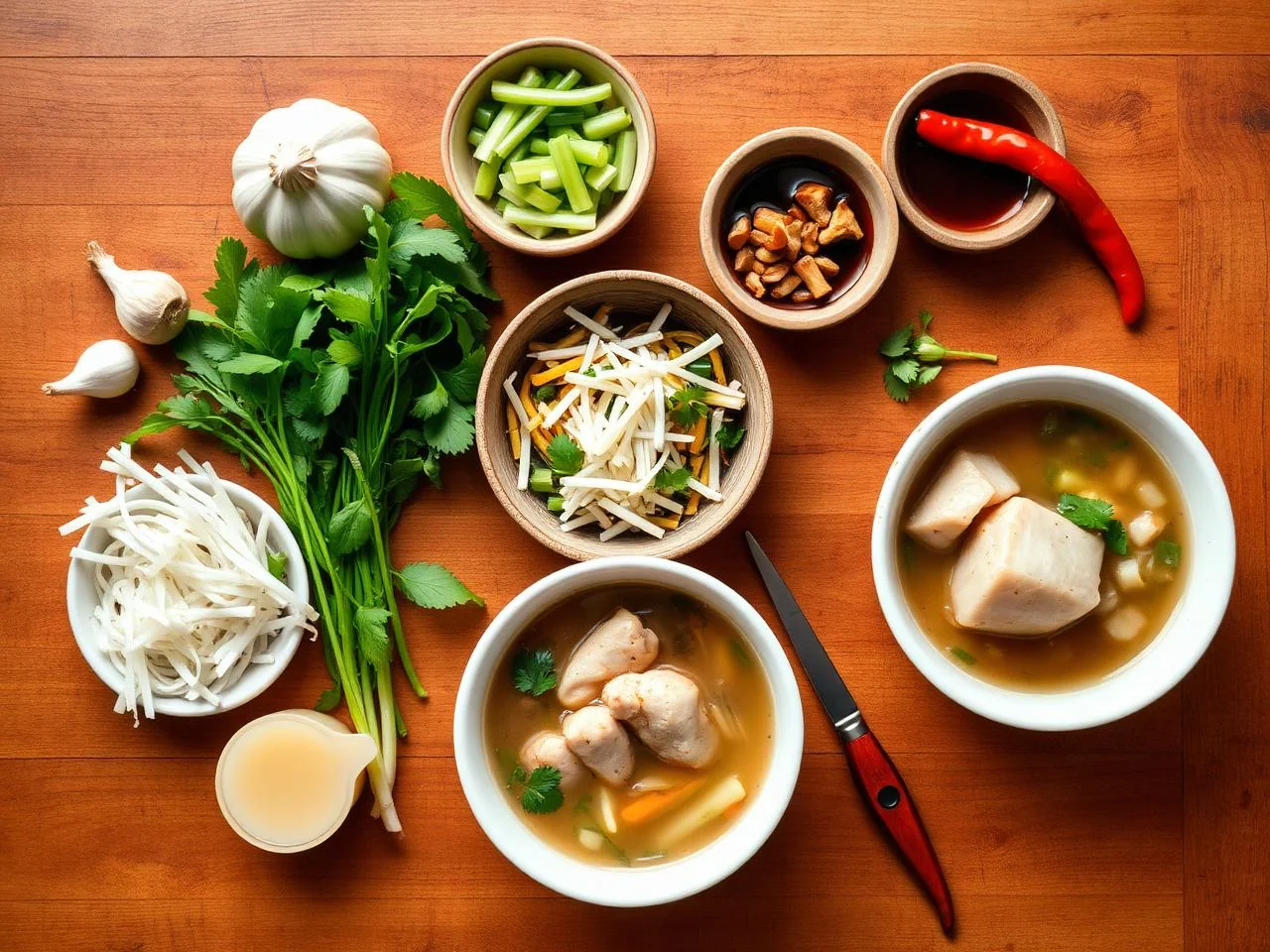
Equipment You’ll Need
How to Make Vietnamese Pho Soup
- 1In a large heavy pot or Dutch oven, combine the beef bones, onion, ginger, and garlic. Pour in enough cold water to cover the bones and bring to a boil over high heat.
- 2Once boiling, reduce the heat to low and simmer for at least 1 hour, or until the broth is rich and flavorful. Use an instant-read thermometer to check the temperature of the broth, which should be at least 180°F (82°C).
- 3While the broth is simmering, prepare the beef by slicing it into thin strips. Season the beef with salt and pepper to taste.
- 4After the broth has simmered for at least 1 hour, strain it through a fine-mesh strainer into a large bowl. Discard the solids and return the broth to the pot.
- 5Add the ground cinnamon, ground cumin, and ground coriander to the broth and stir to combine. Bring the broth to a simmer over medium heat and cook for 10-15 minutes, or until the flavors have melded together.
- 6While the broth is simmering, cook the rice noodles according to the package instructions. Drain and set aside.
- 7To assemble the Pho, place some of the cooked noodles into a bowl and add slices of the beef. Ladle the hot broth over the top and garnish with chopped fresh basil and mint.
- 8Serve the Pho immediately, with fish sauce and soy sauce on the side for added flavor.
- 9To add extra flavor to the Pho, you can also add bean sprouts, lime wedges, and chili sauce to the bowl.
- 10For a spicy kick, you can add sliced jalapeños or serrano peppers to the bowl.
- 11To make the Pho more substantial, you can add sliced rare steak or brisket to the bowl.
- 12To make the Pho more refreshing, you can add a sprinkle of chopped cilantro or scallions to the bowl.
- 13To store the Pho, let it cool to room temperature and then refrigerate or freeze it. Reheat the Pho over low heat, adding more broth or water as needed to achieve the desired consistency.
Expert Tips
- Use high-quality beef bones to make a rich and flavorful broth.
- Simmer the broth for at least 1 hour to extract all the flavors from the bones.
- Use a variety of spices, such as ground cinnamon, ground cumin, and ground coriander, to add depth and complexity to the broth.
- Cook the rice noodles according to the package instructions to achieve the perfect texture.
- Assemble the Pho just before serving to ensure that all the components are hot and fresh.
- Add bean sprouts, lime wedges, and chili sauce to the bowl for added flavor and texture.
- Experiment with different types of beef, such as rare steak or brisket, to change up the flavor and texture of the Pho.
- Add sliced jalapeños or serrano peppers to the bowl for a spicy kick.
Common Mistakes to Avoid
- Not simmering the broth for long enough, resulting in a weak and flavorless broth.
- Not using high-quality beef bones, resulting in a broth that lacks depth and richness.
- Overcooking the rice noodles, resulting in a mushy and unappetizing texture.
- Not adding enough spices, resulting in a broth that lacks complexity and depth.
- Not assembling the Pho just before serving, resulting in a dish that is cold and unappetizing.
- Not adding enough bean sprouts, lime wedges, and chili sauce, resulting in a dish that lacks flavor and texture.
Variations and Substitutions
- Add sliced rare steak or brisket to the bowl for a heartier and more substantial Pho.
- Add sliced jalapeños or serrano peppers to the bowl for a spicy kick.
- Add a sprinkle of chopped cilantro or scallions to the bowl for a fresh and herbaceous flavor.
- Use different types of noodles, such as egg noodles or udon noodles, to change up the texture of the Pho.
- Add other ingredients, such as diced carrots or green beans, to the bowl for added flavor and nutrition.
- Use a different type of protein, such as chicken or pork, to change up the flavor and texture of the Pho.
- Add a splash of fish sauce or soy sauce to the broth for added umami flavor.
What to Serve With Vietnamese Pho Soup
Pho is typically served as a main course, and it's often accompanied by a variety of toppings and condiments. Some popular toppings include bean sprouts, lime wedges, chili sauce, and sliced rare steak or brisket. You can also serve the Pho with a side of fresh herbs, such as basil or mint, for added flavor and freshness.
In addition to the toppings and condiments, you can also serve the Pho with a variety of sides, such as steamed vegetables or pickled ginger. The key is to create a balanced and harmonious flavor profile that complements the rich and savory broth.
Make-Ahead, Storage, Freezing and Reheating
To store the Pho, let it cool to room temperature and then refrigerate or freeze it. Reheat the Pho over low heat, adding more broth or water as needed to achieve the desired consistency. You can also store the Pho in an airtight container in the refrigerator for up to 3 days or in the freezer for up to 3 months.
When reheating the Pho, be sure to heat it gently and slowly, as high heat can cause the broth to become cloudy or separate. You can also add more spices or seasonings to the broth to refresh the flavor and aroma.
In addition to storing the Pho, you can also make ahead and store the broth and noodles separately. The broth can be made ahead and stored in the refrigerator for up to 3 days or in the freezer for up to 3 months. The noodles can be cooked ahead and stored in the refrigerator for up to 1 day or in the freezer for up to 2 months.
When making ahead, be sure to label and date the containers, and to store them in a cool and dry place. You can also portion out the Pho into individual servings and store them in the refrigerator or freezer for up to 3 days or 3 months, respectively.
Frequently Asked Questions
What type of beef bones should I use for the broth?
You can use a variety of beef bones, such as oxtail, short ribs, or beef neck bones, to make the broth. Look for high-quality bones that are fresh and have a good amount of meat and marrow on them.
How long should I simmer the broth for?
You should simmer the broth for at least 1 hour, or until it is rich and flavorful. The longer you simmer the broth, the more flavorful it will be.
What type of noodles should I use for the Pho?
You can use a variety of noodles, such as rice noodles or egg noodles, to make the Pho. Look for high-quality noodles that are fresh and have a good texture.
Can I make the Pho ahead of time?
Yes, you can make the Pho ahead of time and store it in the refrigerator or freezer. Reheat the Pho gently and slowly, adding more broth or water as needed to achieve the desired consistency.
What toppings and condiments should I serve with the Pho?
You can serve a variety of toppings and condiments with the Pho, such as bean sprouts, lime wedges, chili sauce, and sliced rare steak or brisket. Look for high-quality toppings and condiments that are fresh and have a good flavor.
Can I use different types of protein in the Pho?
Yes, you can use different types of protein, such as chicken or pork, to make the Pho. Look for high-quality protein that is fresh and has a good flavor.
How do I store the Pho?
You can store the Pho in an airtight container in the refrigerator for up to 3 days or in the freezer for up to 3 months. Reheat the Pho gently and slowly, adding more broth or water as needed to achieve the desired consistency.
Can I make the broth in a slow cooker?
Yes, you can make the broth in a slow cooker. Simply add all the ingredients to the slow cooker and cook on low for 6-8 hours or on high for 3-4 hours.
What is the best way to reheat the Pho?
The best way to reheat the Pho is to heat it gently and slowly, adding more broth or water as needed to achieve the desired consistency. You can also add more spices or seasonings to the broth to refresh the flavor and aroma.
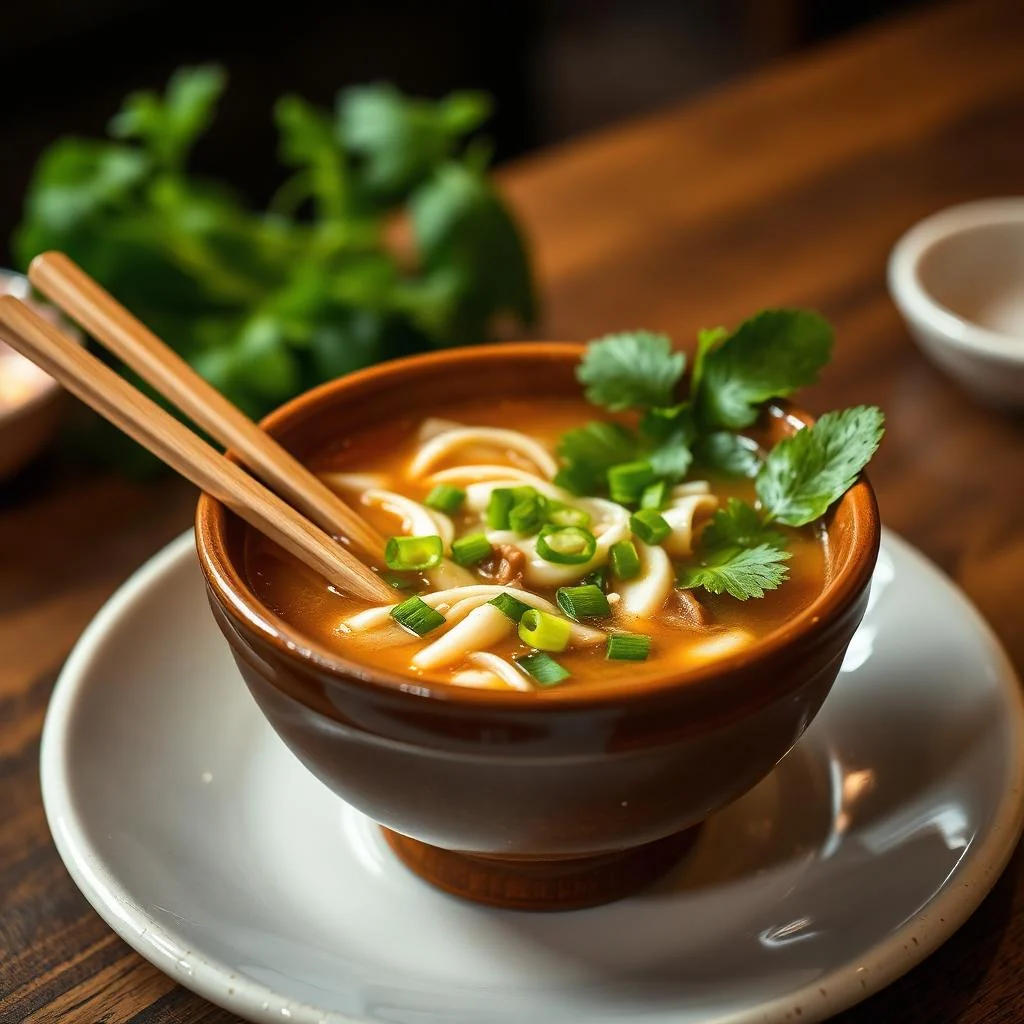
Ingredients
- 2 lbs (1 kg) beef bones
- 1 large onion, sliced
- 2 inches (5 cm) fresh ginger, sliced
- 2 cloves garlic, minced
- 1 tablespoon ground cinnamon
- 1 tablespoon ground cumin
- 1 tablespoon ground coriander
- 1 pound (450g) beef, sliced
- 1 cup (200g) rice noodles
- 2 tablespoons fish sauce
- 1 tablespoon soy sauce
- 2 tablespoons chopped fresh basil
- 1 tablespoon chopped fresh mint
- Salt and pepper to taste
Instructions
- In a large heavy pot or Dutch oven, combine the beef bones, onion, ginger, and garlic. Pour in enough cold water to cover the bones and bring to a boil over high heat.
- Once boiling, reduce the heat to low and simmer for at least 1 hour, or until the broth is rich and flavorful. Use an instant-read thermometer to check the temperature of the broth, which should be at least 180°F (82°C).
- While the broth is simmering, prepare the beef by slicing it into thin strips. Season the beef with salt and pepper to taste.
- After the broth has simmered for at least 1 hour, strain it through a fine-mesh strainer into a large bowl. Discard the solids and return the broth to the pot.
- Add the ground cinnamon, ground cumin, and ground coriander to the broth and stir to combine. Bring the broth to a simmer over medium heat and cook for 10-15 minutes, or until the flavors have melded together.
- While the broth is simmering, cook the rice noodles according to the package instructions. Drain and set aside.
- To assemble the Pho, place some of the cooked noodles into a bowl and add slices of the beef. Ladle the hot broth over the top and garnish with chopped fresh basil and mint.
- Serve the Pho immediately, with fish sauce and soy sauce on the side for added flavor.
- To add extra flavor to the Pho, you can also add bean sprouts, lime wedges, and chili sauce to the bowl.
- For a spicy kick, you can add sliced jalapeños or serrano peppers to the bowl.
- To make the Pho more substantial, you can add sliced rare steak or brisket to the bowl.
- To make the Pho more refreshing, you can add a sprinkle of chopped cilantro or scallions to the bowl.
- To store the Pho, let it cool to room temperature and then refrigerate or freeze it. Reheat the Pho over low heat, adding more broth or water as needed to achieve the desired consistency.