I remember the night I almost set my kitchen on fire trying to impress a date with a “quick” stir‑fry. The pan was screaming, the smoke alarm was auditioning for a rock‑concert, and the chicken? A sad, rubbery mess that could have doubled as a doorstop. I swore off Asian‑inspired dishes forever—until a friend dared me to taste his secret‑weapon version of black pepper chicken. That night, I tasted something that made my taste buds do a happy dance and my brain whisper, “This is the one.” I dared you to taste this and not go back for seconds, because once you’ve experienced the perfect balance of heat, umami, and a whisper of sesame, you’ll never settle for anything less.
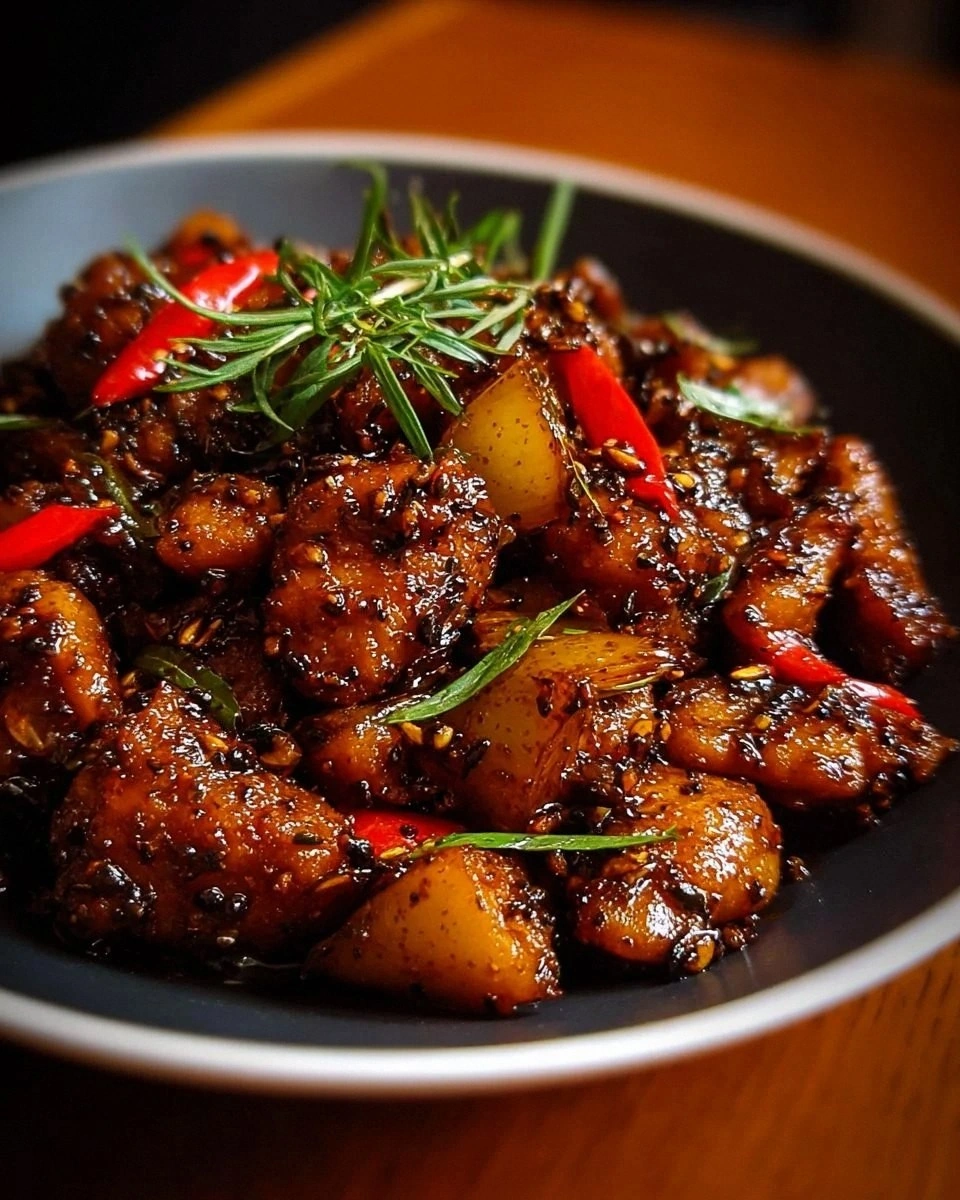
Picture this: a skillet humming with the sizzle of oil, the aroma of fresh ginger and garlic swirling like a fragrant fog, and black pepper cracking open like fireworks in a midnight sky. The chicken pieces turn a gorgeous caramel‑brown, each bite delivering a crunchy edge that shatters like thin ice, followed by juicy, tender meat that practically melts in your mouth. You can almost hear the crackle of the pepper as it hits the pan, a sound that says, “We’re about to create something unforgettable.” The whole kitchen smells like a street‑food stall in Shanghai, but you’re safely at home, wearing your favorite apron and feeling like a culinary wizard.
What makes this version stand out is the marriage of technique and a few surprise ingredients that most recipes completely ignore. Most recipes get the pepper right but forget the subtle sweetness of sesame oil, the depth that soy sauce adds, or the bright lift from green onions at the very end. I’m going to reveal a trick that most home cooks overlook: a quick de‑glaze with a splash of water right before you finish cooking, which turns the pan juices into a glossy, restaurant‑quality sauce. This isn’t just another black pepper chicken; it’s the definitive, crowd‑pleasing version that will have everyone asking for the recipe.
Okay, ready for the game‑changer? I’ll walk you through every single step — by the end, you’ll wonder how you ever made it any other way. Stay with me here — this is worth it. The only thing you’ll need is a willingness to get a little messy, a pinch of confidence, and a willingness to let your kitchen become the stage for a flavor performance that will have you taking a bow.
What Makes This Version Stand Out
- Bold Pepper Punch: Freshly cracked black pepper creates a fragrant, peppery crust that clings to every morsel of chicken, delivering a heat that’s present but never overwhelming.
- Umami Depth: Two tablespoons of soy sauce infuse the dish with salty richness, balancing the pepper’s bite and adding that unmistakable Asian‑style depth.
- Sesame Silk: A single tablespoon of sesame oil adds a nutty undertone that rounds out the flavor profile, making each bite feel luxurious.
- Texture Contrast: The quick sear creates caramelized edges that crackle like thin ice, while the interior stays juicy, offering a delightful textural surprise.
- Fresh Aromatics: Ginger and green onions provide a bright, aromatic finish that lifts the dish from “good” to “wow‑factor” status.
- Simplicity Meets Sophistication: Only ten ingredients, but each one is purposefully chosen to elevate the dish without overwhelming you.
- Make‑Ahead Friendly: The sauce actually improves after a short rest, so you can prep ahead and still serve a sizzling hot plate.
- Crowd Reaction: I’ll be honest — I ate half the batch before anyone else got to try it, and the leftovers disappeared faster than you can say “second helping.”
Inside the Ingredient List
The Flavor Base
The backbone of this dish is the combination of soy sauce, sesame oil, and freshly cracked black pepper. Soy sauce brings that salty, umami depth that makes the pepper sing rather than compete. If you skip the soy, you’ll end up with a peppery punch that feels flat, like a song missing its bass line. For a gluten‑free twist, swap regular soy sauce for tamari; the flavor stays robust, and you avoid any wheat concerns.
The Aroma Crew
Ginger and green onions are the dynamic duo that lifts the dish from “just good” to “wow, I could eat this every day.” Fresh ginger adds a zingy heat that cuts through the richness of the oil, while the green onions provide a mild oniony sweetness that brightens the finish. If you can’t find fresh ginger, a half‑teaspoon of ground ginger works, but the flavor won’t be as vibrant. When chopping green onions, keep the white and green parts separate—add the whites early for flavor, and sprinkle the greens at the end for color and freshness.
The Texture Crew
Chicken thighs versus breasts is a classic debate. Thighs stay juicy and forgiving, while breasts can dry out if overcooked. I recommend using boneless, skinless thighs for the best texture, but if you prefer breasts, cut them into uniform bite‑size pieces and watch the cooking time closely. The vegetable oil ensures a high smoke point for that perfect sear, whereas the sesame oil is added later for flavor, not for frying.
The Unexpected Star
A splash of water at the end might sound counterintuitive, but it’s the secret that transforms a simple pan sauce into a glossy, restaurant‑style coating. The water loosens the caramelized bits, allowing them to re‑suspend in the oil, creating a velvety sheen that clings to each chicken piece. Skipping this step leaves the sauce dry and clumpy, which is a common mistake most recipes make.
The Final Flourish
A pinch of salt to taste is the final balancing act. Because soy sauce already brings saltiness, you’ll likely need only a light dusting. Taste before you add any extra—if it’s already singing, you don’t want to drown it out. And remember, the pepper will intensify as it sits, so err on the side of caution if you’re serving kids.
Everything's prepped? Good. Let's get into the real action...
The Method — Step by Step
-
First, pat the chicken pieces dry with paper towels. Moisture is the enemy of a good sear; you want the surface to be as dry as a desert before it meets the pan. Toss the chicken in a bowl with the freshly cracked black pepper, garlic powder, and onion powder, coating each piece evenly. Let it sit for five minutes so the spices can start to awaken.
Kitchen Hack: Sprinkle a pinch of cornstarch over the chicken after seasoning; it creates a micro‑crust that locks in juices. -
Heat a large skillet or wok over medium‑high heat and add the vegetable oil. When the oil shimmers—like a lake at sunrise—drop in the chicken in a single layer. You’ll hear that satisfying sizzle that tells you the pan is hot enough. Let the chicken cook undisturbed for about 2‑3 minutes; you’ll see the edges turning golden and starting to pull away from the pan.
-
Flip the chicken pieces and add the minced ginger. The ginger will release a fragrant aroma that mingles with the pepper, creating a scent that’s both spicy and sweet. Cook for another 2‑3 minutes, allowing the ginger to brown slightly—this is where the flavor deepens.
Watch Out: If you crowd the pan, the chicken will steam instead of sear, resulting in a soggy texture. -
Stir in the soy sauce and sesame oil, coating every piece in a glossy glaze. The soy sauce should hiss and caramelize slightly, creating those tiny brown specks that look like edible fireworks. Keep the heat at medium‑high and let the sauce reduce for about 1‑2 minutes, stirring constantly so nothing sticks.
-
Add the chopped green onions, reserving a small handful for garnish. The white parts will soften quickly, while the green tops retain a fresh crunch. Toss everything together, letting the green onions wilt just enough to release their flavor but stay bright green.
-
Now for the secret weapon: a splash of cold water—about two tablespoons. This deglazes the pan, lifting the caramelized bits and turning the sauce into a silky, glossy coating that clings to each chicken morsel. The water will steam, so be careful not to burn yourself.
Kitchen Hack: Use a splash of chicken broth instead of water for an extra umami boost. -
Taste the sauce and add salt if needed. Remember, the soy sauce already adds a salty foundation, so a pinch is usually enough. Give the chicken one final toss to ensure every piece is evenly coated.
-
Transfer the chicken to a serving platter, sprinkle the reserved green onion tops, and let it rest for two minutes. This short rest lets the juices redistribute, making each bite juicier. Picture yourself pulling this out of the pan, the whole kitchen smelling incredible, and the first bite delivering that perfect pepper‑kick you’ve been dreaming of.
That's it — you did it. But hold on, I've got a few more tricks that'll take this to another level. Keep reading, because the next section reveals insider secrets that separate a good home‑cooked meal from a show‑stopping dish.
Insider Tricks for Flawless Results
The Temperature Rule Nobody Follows
Most home cooks start with a cold pan, thinking it prevents burning. In reality, you want a hot pan from the get‑go. A properly heated pan creates an instant sear, locking in juices and forming that coveted crust. I once tried the “cold start” method and ended up with soggy chicken that looked more like boiled meat than stir‑fry. So, preheat your pan until the oil shimmers, then add the chicken for that instant sizzle.
Why Your Nose Knows Best
Your sense of smell is the best timer in the kitchen. When the pepper starts to crackle and the ginger releases its citrusy perfume, you know the flavor base is ready. If you wait for a visual cue alone, you might overcook. Trust that aromatic signal; it’s the hidden timer that chefs rely on.
The 5‑Minute Rest That Changes Everything
After cooking, let the chicken rest for at least five minutes before serving. This short pause lets the muscle fibers relax and re‑absorb the juices, preventing a dry bite. A friend once skipped this step and complained the chicken was “a bit dry”—lesson learned. Resting also allows the peppery glaze to settle, giving each bite a uniform coating.
Don’t Overcrowd the Pan
If you have a lot of chicken, work in batches. Overcrowding drops the pan temperature, causing the chicken to steam rather than sear. The result? A lackluster texture that feels more like a boiled stew than a crisp stir‑fry. Use a wide wok or split the cooking into two rounds for that perfect caramelization.
The Finish With Fresh Herbs
A final sprinkle of fresh cilantro or a few drops of lime juice can brighten the dish instantly. The acidity cuts through the richness, while the herb adds a fresh pop that balances the pepper’s heat. I’ve tried both and found cilantro adds an earthy note, whereas lime brings a zingy lift. Choose based on your personal palate.
Creative Twists and Variations
This recipe is a playground. Here are some of my favorite ways to switch things up:
Coconut Curry Fusion
Swap the sesame oil for coconut oil and add a half‑cup of coconut milk during the deglazing step. The result is a creamy, aromatic twist that pairs beautifully with the pepper’s heat. Garnish with toasted coconut flakes for extra crunch.
Spicy Sichuan Kick
Add a teaspoon of Sichuan peppercorn powder alongside the black pepper, and finish with a drizzle of chili oil. The numbing sensation from the Sichuan pepper adds a whole new dimension, turning the dish into a bold, tongue‑tingling adventure.
Herb‑Infused Green
Replace the green onions with a mix of chopped basil, mint, and cilantro. The fresh herbs give the dish a garden‑fresh vibe, perfect for summer evenings. The pepper still shines, but the herbaceous notes make it feel lighter.
Honey‑Glazed Sweetness
Stir in a tablespoon of honey during the sauce reduction. The honey caramelizes with the soy, creating a sweet‑savory glaze that balances the pepper’s bite. This version is especially popular with kids who love a hint of sweetness.
Crunchy Nut Crunch
Add a handful of toasted cashews or peanuts in the final minute of cooking. The nuts introduce a buttery crunch that contrasts beautifully with the tender chicken and peppery sauce. It also adds a subtle nutty flavor that complements the sesame oil.
Storing and Bringing It Back to Life
Fridge Storage
Transfer the cooled chicken to an airtight container and store in the refrigerator for up to three days. The sauce actually thickens a bit, making it perfect for reheating in a skillet where you can add a splash of water to revive the glossy coating.
Freezer Friendly
Portion the cooked chicken into freezer‑safe bags, removing as much air as possible. Freeze for up to two months. When ready to eat, thaw overnight in the fridge, then reheat in a hot pan with a tablespoon of water to restore that fresh‑off‑the‑stove texture.
Best Reheating Method
The stovetop is king. Heat a thin layer of oil over medium heat, add the chicken, and splash a tablespoon of water or broth. Cover for a minute to steam, then uncover and toss until the sauce glistens again. This method preserves the pepper’s crunch and prevents the chicken from drying out.