I’ll be honest — the first time I tried to make a sloppy joe with chicken, I ended up with a soggy mess that tasted like a sad, lukewarm casserole. I was about to give up when a friend dared me to “make it so creamy it could double as a pasta sauce.” That tiny spark of competition lit a fire under my skillet, and what emerged was a dish that makes the classic sloppy joe look like a plain‑Jane sandwich. Imagine the buttery richness of an Alfredo sauce hugging a juicy, seasoned chicken patty, all tucked inside a soft, toasted bun. The moment the first bite hits, you’ll hear a quiet “mmm” from the entire family, and the rest of the night will revolve around who gets the next serving.
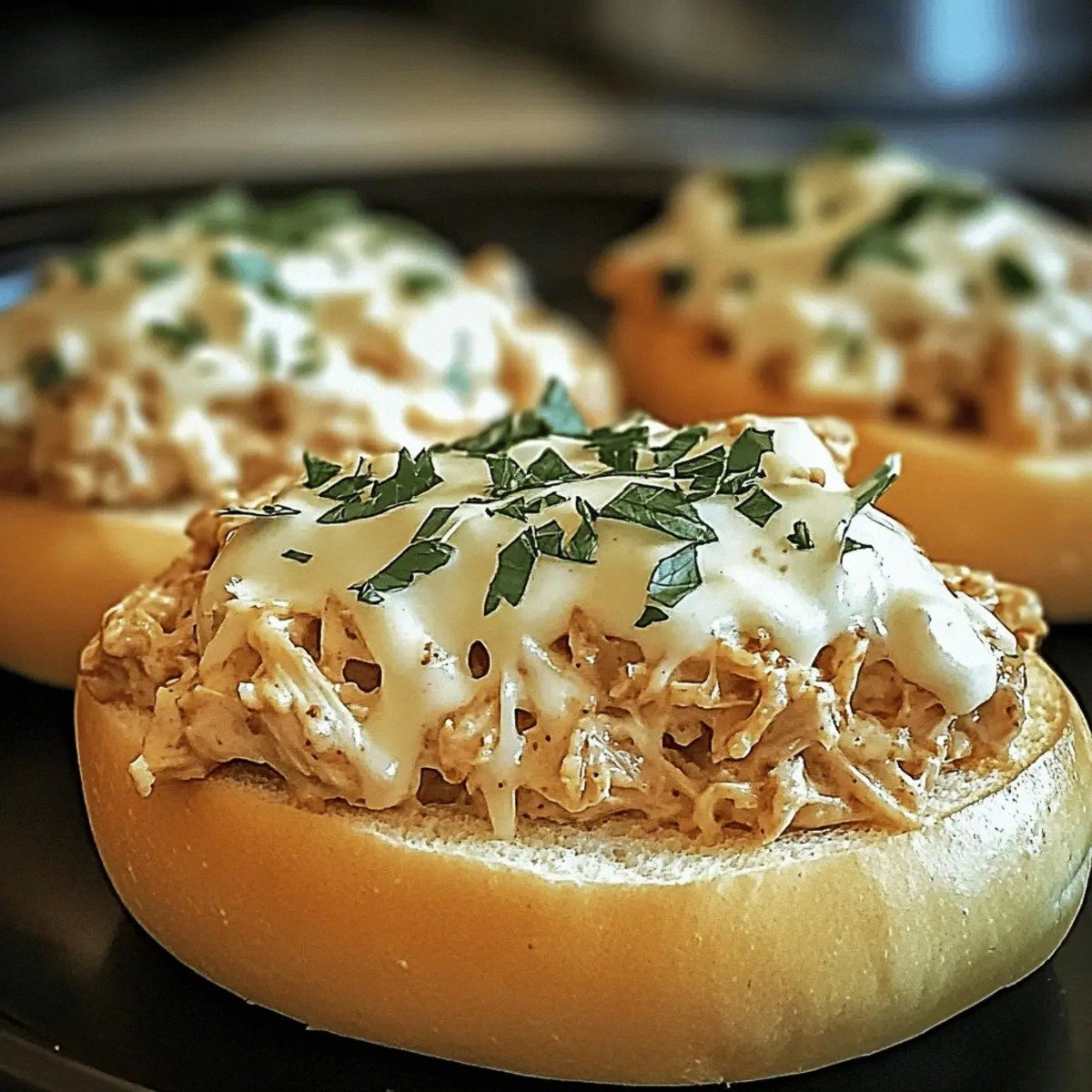
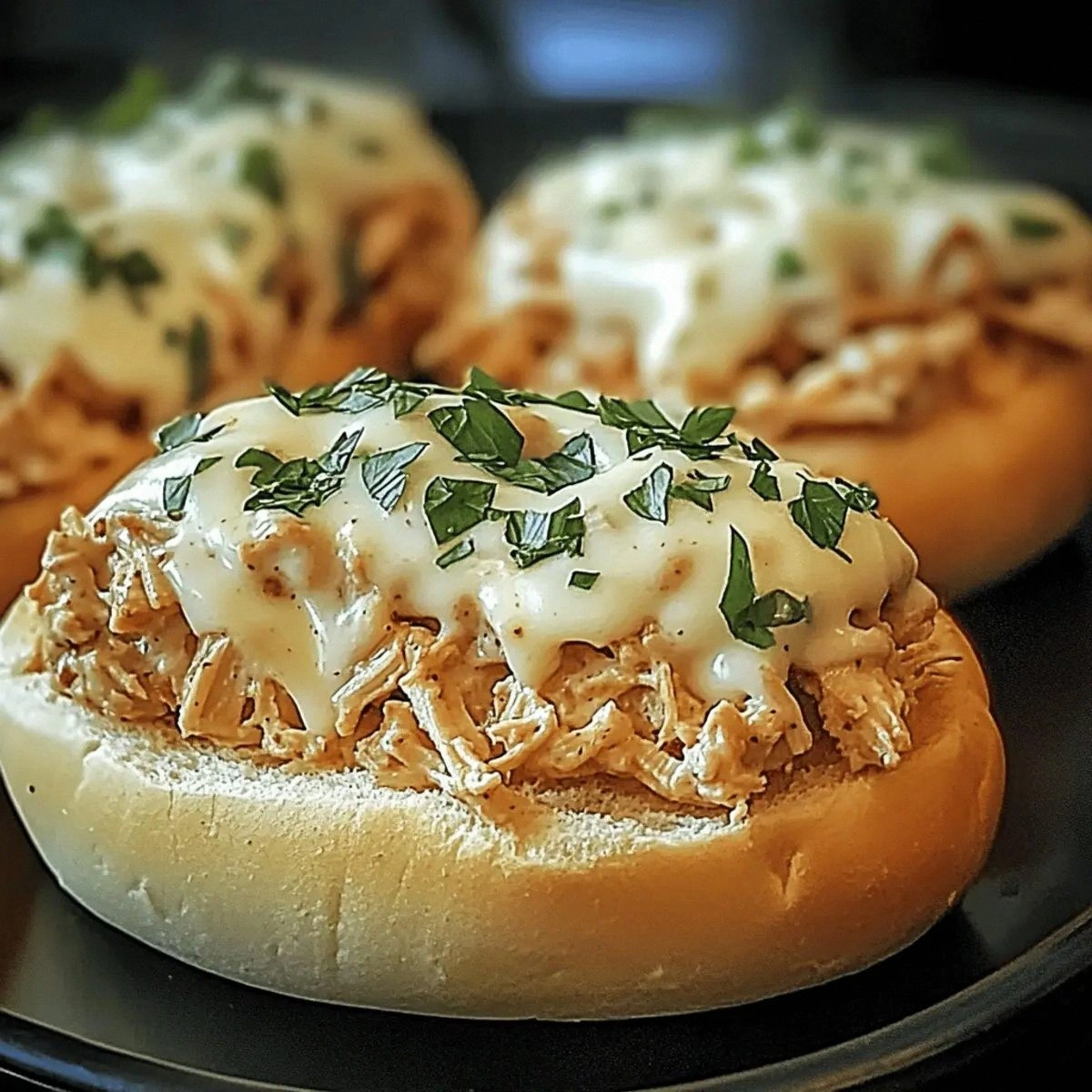
Picture the kitchen: the sizzle of ground chicken hitting hot oil, the aromatic perfume of garlic and onion swirling together, and a thick, ivory cream sauce that clings to the meat like velvet. The sound of the buns toasting on the grill adds a subtle crackle, like tiny fireworks announcing the grand finale. When you finally assemble the sandwich, the steam rises, the cheese melts into glossy ribbons, and the parsley garnish adds a flash of green that looks like a garnish on a Michelin plate. The whole experience is a full‑sensory celebration that turns a simple weeknight dinner into a cozy, cinematic moment.
What makes this version stand out is the secret weapon: heavy cream and Parmesan combined with a dash of Italian seasoning. Most sloppy joe recipes rely on ketchup, brown sugar, and a splash of vinegar, which gives you a sweet‑tangy profile but leaves the texture thin and the flavor one‑dimensional. Here, the Alfredo base adds depth, silkiness, and a subtle umami punch that makes every bite feel like a hug from your favorite comfort food. I dare you to taste this and not go back for seconds — it’s that good.
And there’s a technique you won’t find in any generic recipe: I finish the sauce with a quick “flash‑simmer” after the chicken is cooked, which concentrates the flavors without turning the mixture greasy. This step is the game‑changer that turns a regular sloppy joe into a restaurant‑quality masterpiece. Let me walk you through every single step — by the end, you’ll wonder how you ever made it any other way.
What Makes This Version Stand Out
- Richness: The heavy cream and Parmesan create a sauce that coats the chicken like silk, delivering a luxurious mouthfeel that ordinary sloppy joes simply can’t match.
- Flavor Depth: Italian seasoning and garlic add layers of herbaceous notes, turning a simple sandwich into a multi‑dimensional taste experience.
- Texture Contrast: The ground chicken stays tender while the buns get a light toast, giving you a satisfying bite that’s both soft and slightly crisp.
- Simplicity: Only ten ingredients, all pantry staples, mean you can whip this up in under an hour without a trip to the specialty store.
- Family Appeal: Kids love the creamy sauce, adults love the sophisticated flavor — it’s a crowd‑pleaser that bridges generations.
- Make‑Ahead Friendly: The sauce can be prepared ahead of time and reheated, making it perfect for busy weeknights or a make‑ahead dinner party.
- Ingredient Quality: Ground chicken provides a lean, moist base, while the Parmesan adds a nutty sharpness that elevates the whole dish.
- Cooking Method: The quick flash‑simmer locks in moisture and prevents the sauce from separating, a trick most recipes miss.
Inside the Ingredient List
The Flavor Base
Ground chicken is the hero here. It’s lean enough to keep the dish light, yet it absorbs the sauce like a sponge, ensuring every bite is packed with flavor. If you skip it and use, say, ground turkey, you’ll lose a subtle sweetness that balances the Parmesan’s sharpness. For the best result, choose a freshly ground chicken from the butcher or a reputable grocery store; you’ll notice the difference in texture right away. Swap tip: If you’re avoiding poultry, ground pork works, but you’ll need to add a pinch of fennel seed to mimic the chicken’s mild flavor.
The Texture Crew
Olive oil does more than prevent sticking; it adds a fruity undertone that rounds out the richness of the cream. Use extra‑virgin olive oil for maximum flavor, but if you’re on a tight budget, a neutral oil will still do the job. The small onion and garlic are the aromatic backbone. When you sauté them until they’re translucent and just beginning to caramelize, they release sugars that give the sauce a gentle sweetness, offsetting the salty Parmesan. Pro tip: Finely mince the garlic; larger pieces can become bitter if overcooked.
The Unexpected Star
Heavy cream is the secret weapon that turns this sloppy joe into an Alfredo‑infused marvel. Its high fat content creates a glossy, velvety coating that clings to each morsel of chicken. If you’re watching calories, you can substitute half‑and‑half, but the sauce will lose some of its luxurious body. Parmesan cheese, freshly grated, brings a nutty umami punch and helps thicken the sauce without the need for a roux. Fun fact: Parmesan is actually a “hard” cheese, meaning it ages for at least 12 months, developing those crystalline shards that melt into the sauce.
The Final Flourish
Italian seasoning is a blend of dried herbs—typically oregano, basil, thyme, and rosemary—that adds a fragrant, herbaceous lift. A single teaspoon is enough to brighten the entire dish without overwhelming the creamy base. Salt and pepper, to taste, are the final seasoning steps; they bring everything into balance. The hamburger buns act as the vessel, and lightly toasting them adds a subtle crunch that prevents the sandwich from becoming a soggy mess. Fresh parsley, sprinkled at the end, isn’t just for color; its bright, slightly peppery flavor cuts through the richness, keeping the palate refreshed.
Everything’s prepped? Good. Let’s get into the real action…
The Method — Step by Step
Heat a large skillet over medium‑high heat and add the olive oil. When the oil shimmers, toss in the finely diced onion. Watch the color: after about two minutes the onion should turn translucent and start to smell sweet. This is the foundation of flavor, so keep the heat steady to avoid burning.
Kitchen Hack: Sprinkle a pinch of salt on the onions as they cook; the salt draws out moisture, speeding up the caramelization.Add the minced garlic and stir for 30 seconds. You’ll hear a faint sizzle—that’s the sound of flavor building. Be careful not to let it brown; burnt garlic turns bitter, which can ruin the entire sauce.
Increase the heat to medium‑high and crumble the ground chicken into the pan. Break it up with a wooden spoon, spreading it evenly. As the meat browns, you’ll notice the edges pulling away from the pan — that’s the Maillard reaction doing its magic.
Watch Out: If you crowd the pan, the chicken will steam instead of brown. Cook in batches if necessary.Season the chicken with Italian seasoning, a pinch of salt, and pepper. Stir well so the herbs coat every crumb. Let the mixture cook for another two minutes, allowing the herbs to release their essential oils.
Now comes the “flash‑simmer.” Reduce the heat to low, pour in the heavy cream, and let it bubble gently for about one minute. This step concentrates the flavors without letting the cream separate. This next part? Pure magic.
Stir in the grated Parmesan cheese. Keep the heat low and whisk continuously; the cheese will melt into the cream, thickening the sauce into a glossy, velvety blanket. You’ll see the sauce cling to the back of a spoon — that’s the visual cue you’ve reached the perfect consistency.
Taste and adjust seasoning. This is where you decide if you need a splash more salt or a dash of pepper. Remember, the buns will add a subtle sweetness, so you want the sauce to be balanced but slightly savory.
Kitchen Hack: Finish the sauce with a tiny knob of butter for extra sheen and a richer mouthfeel.While the sauce simmers, split the hamburger buns and toast them cut‑side down on a separate skillet or grill pan for 1–2 minutes, until golden brown. The toasted surface should have a gentle crunch that holds up to the creamy filling without getting soggy.
Assemble the sloppy joes: spoon a generous heap of the chicken Alfredo mixture onto the bottom half of each bun, then sprinkle fresh parsley on top. Cap with the toasted bun top, press lightly, and serve immediately while the sauce is still warm and the bun is crisp.
That’s it — you did it. But hold on, I’ve got a few more tricks that’ll take this to another level…
Insider Tricks for Flawless Results
The Temperature Rule Nobody Follows
Never cook the cream on high heat. Starting low and slowly raising the temperature prevents the fat from separating, which would leave you with a grainy sauce. I once tried to speed things up on high and ended up with a curdled mess that looked like a science experiment gone wrong. Keep the heat gentle, and you’ll get that silk‑smooth consistency every time.
Why Your Nose Knows Best
Your sense of smell is a more reliable indicator than a timer when it comes to the sautéed onion and garlic stage. When the kitchen fills with a sweet, caramelizing aroma, you know the base is ready. If you’re still unsure, give the mixture a quick taste; it should be mellow, not sharp.
The 5‑Minute Rest That Changes Everything
After you finish the sauce, remove the pan from heat and let it sit for five minutes before assembling the sandwiches. This short rest lets the flavors meld, much like a fine wine breathing. The sauce thickens just a touch, making it easier to spoon without spilling over the bun edges.
Don’t Over‑Toast the Buns
A common mistake is to leave the buns on the grill too long, turning them into crunchy crackers. Aim for a light golden hue that adds texture without dominating the bite. The perfect toast should give a gentle “snap” when you bite, then quickly give way to the creamy interior.
Parmesan Timing Is Everything
Add the Parmesan at the very end of the simmer, after the cream has thickened but before you turn off the heat. Adding it too early can cause the cheese to clump, while adding it too late prevents it from fully melting. This timing ensures a smooth, cohesive sauce that glistens like a marble slab.
Season As You Go, Not Just At The End
Layering salt and pepper throughout the cooking process builds depth. A pinch after sautéing the onions, another after browning the chicken, and a final taste‑test before serving guarantees balanced seasoning. Skipping this step often leaves the dish tasting flat, especially when the Parmesan adds its own salty punch.
Creative Twists and Variations
This recipe is a playground. Here are some of my favorite ways to switch things up:
Spicy Jalapeño Kick
Finely dice a jalapeño and sauté it with the onion. The heat adds a bright, tongue‑tingling contrast to the creamy sauce, perfect for those who love a little fire. Top with a drizzle of cool sour cream to balance the spice.
Mushroom Medley
Add a cup of sliced cremini or button mushrooms after the chicken is browned. The earthy umami deepens the flavor profile and adds a pleasant bite. This variation is great for mushroom lovers and adds a bit of extra nutrition.
Herb‑Infused Buns
Mix fresh chopped rosemary or thyme into softened butter, then brush the buns before toasting. The herb‑buttered crust adds an aromatic layer that complements the Italian seasoning in the sauce.
Cheesy Pull‑Apart
Swap the hamburger buns for soft ciabatta rolls and sprinkle shredded mozzarella on top before the final broil. The cheese melts into a golden, bubbly crown that makes the sandwich look restaurant‑ready.
Low‑Carb Lettuce Wrap
For a lighter version, serve the chicken Alfredo mixture in large butter lettuce leaves. The crisp lettuce adds a fresh crunch and reduces carbs, making it a perfect option for low‑carb diners.
Storing and Bringing It Back to Life
Fridge Storage
Transfer any leftover sauce and chicken to an airtight container. It will keep fresh for up to three days. Reheat gently on the stovetop over low heat, adding a splash of milk or water to revive the creaminess.
Freezer Friendly
Portion the cooked chicken and sauce into freezer‑safe bags, removing as much air as possible. Freeze for up to two months. Thaw overnight in the fridge, then reheat in a saucepan, stirring in a tablespoon of broth to loosen the sauce.
Best Reheating Method
When reheating, always do it low and slow. A quick microwave blast can cause the sauce to separate. Instead, place the mixture in a skillet, add a teaspoon of water, and stir continuously until it regains its silky texture. Then toast fresh buns and assemble.